News
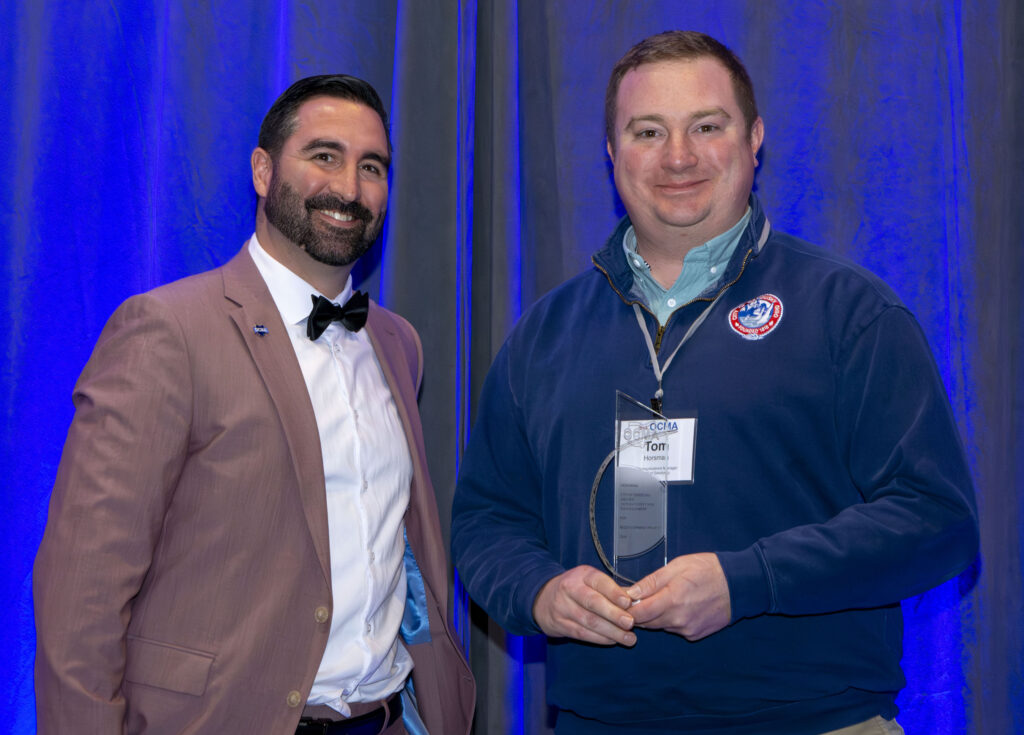
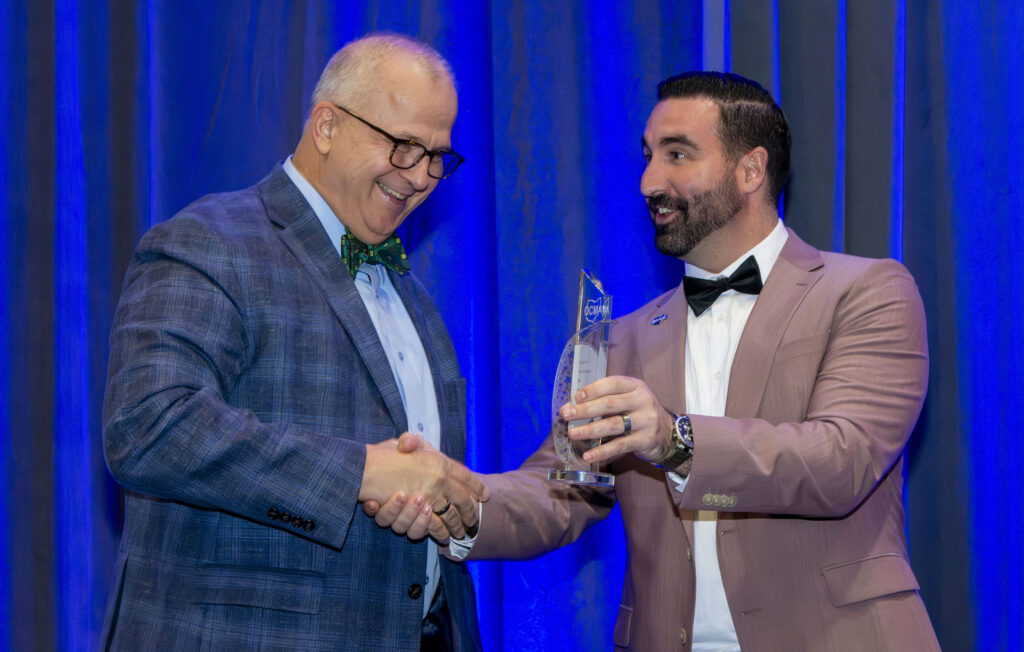
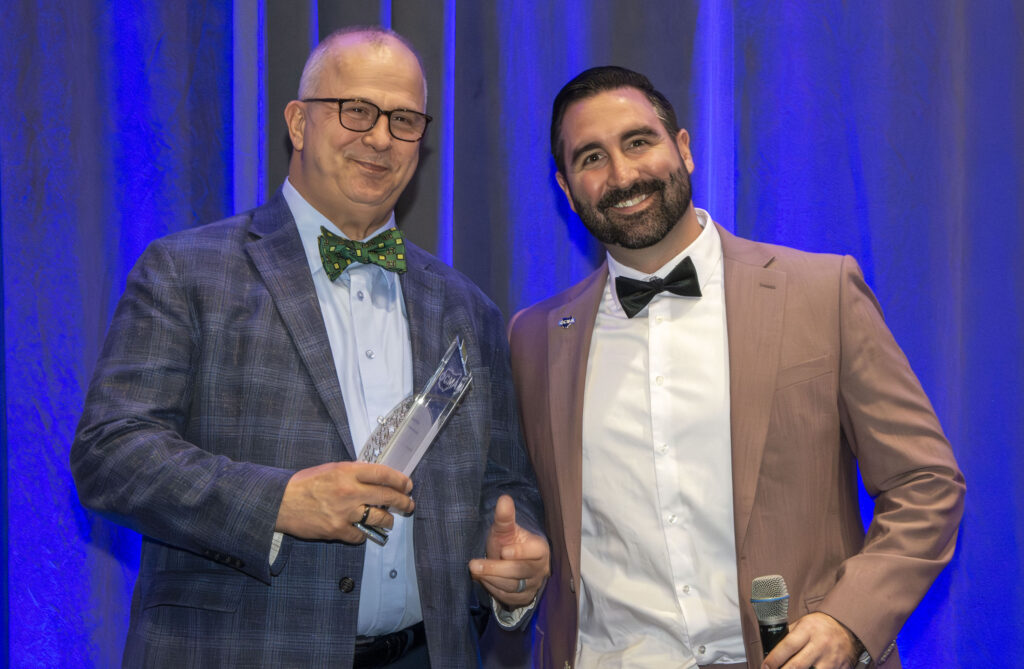
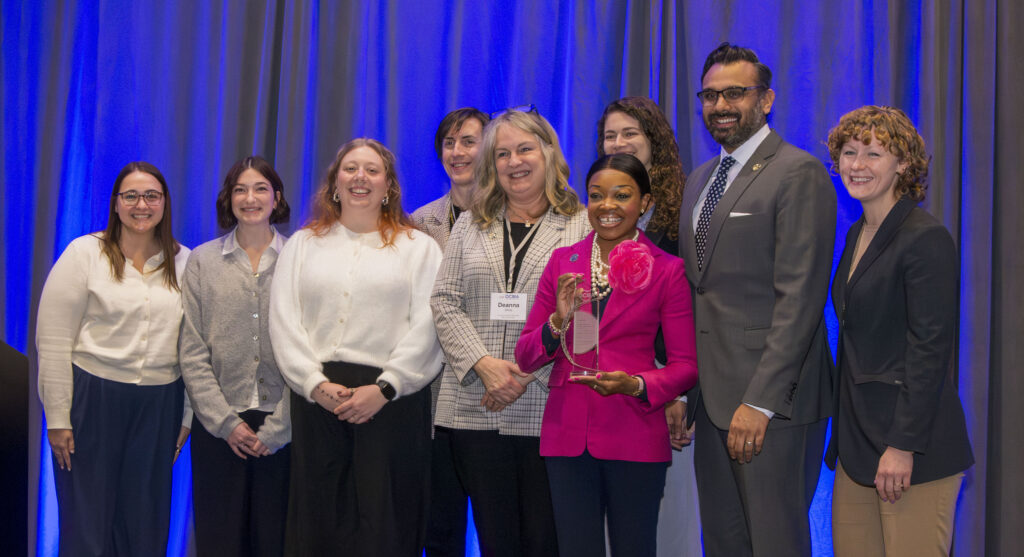
Meet the 2026 OCMA Annual Awardees
The OCMA Annual Awards recognize fellow local government colleagues who are exceptional in promoting excellence in local government. Nominations are made by professionals in local government toward projects and individuals that go above and beyond for their respective communities. This year, we received a record-breaking number of award nominations, a testament to the great work that local governments are doing across the State of Ohio.
The following are the award winners in each category for the 2026 OCMA Awards.
Placemaking
City of Upper Arlington – Bob Crane Community Center
The Bob Crane Community Center stands as Upper Arlington’s most significant placemaking achievement in generations, transforming a previous underutilized commercial site into a multi-generational public hub that strengthens community identity and enhances quality of life. Long envisioned by residents, the Bob Crane Community Center fulfills decades of community desire for a central gathering place that reflects Upper Arlington’s character, values, and commitment to inclusive, people focused spaces.
Built on 1.4 acres in the center of Upper Arlington’s Kingsdale redevelopment zone, the Bob Crane Community Center acts as an anchor that draws people into the district and supports local business activity. Within four months of opening (July, 2025), more than 10,000 members have joined. Foot traffic in the Kingsdale business district increased 10% from the previous year. This project is a shared community landmark that reflects Upper Arlington’s spirit and demonstrates what intentional, innovative placemaking can achieve.


Redevelopment Projects
City of Sandusky – Jackson Street Pier Redevelopment
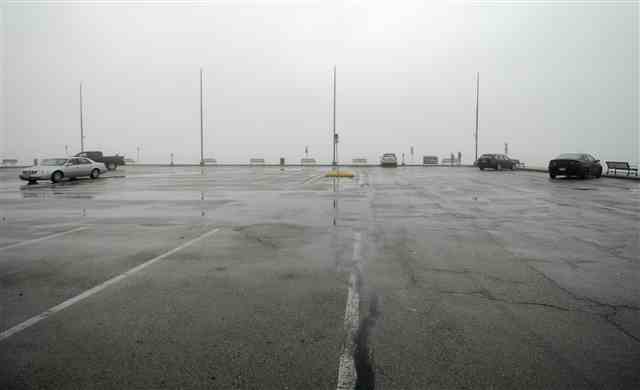
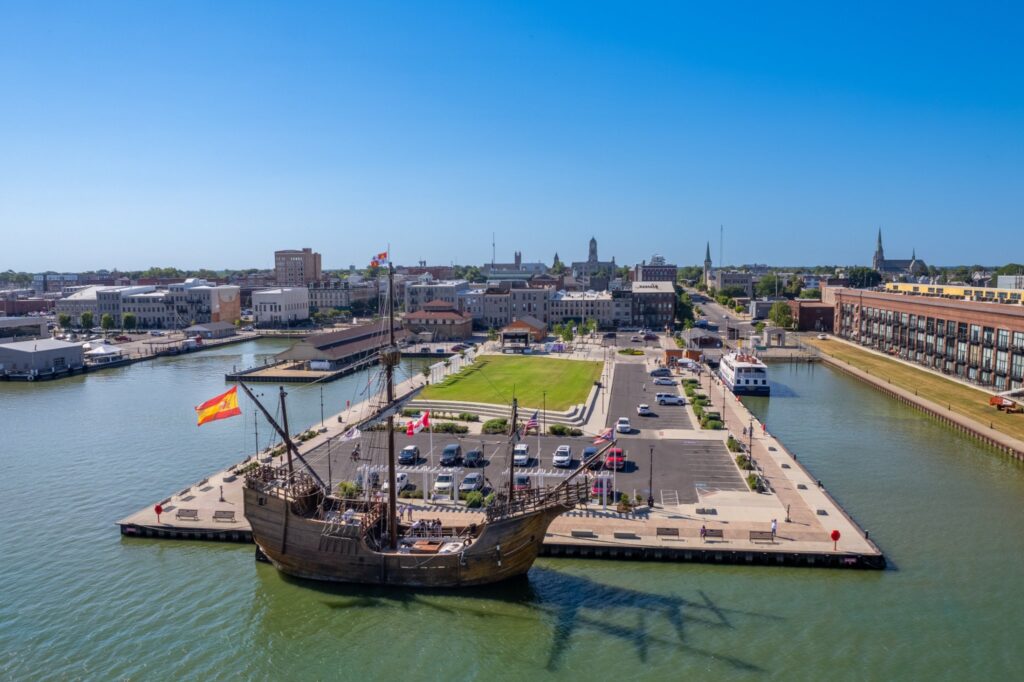
The redevelopment of Jackson Street Pier represents one of the most visible and impactful public space transformations in the City of Sandusky’s modern history. What had been a four-acre parking lot and ferry staging area on the downtown waterfront is now a vibrant public destination that brings residents, visitors, and community partners together at the edge of Lake Erie.
Today, the Jackson Street Pier functions as a catalyst for downtown vitality, a driver of tourism, and a welcoming daily space for residents. It represents the best of municipal redevelopment: community driven design, strong management, and long-term stewardship. For its bold transformation, public value and leadership by the City Commission, former City Manager Eric Wobser, City Manager John Orzech, and
Interim Public Work Director Josh Snyder, the Jackson Street Pier is an excellent example of a community redevelopment project.


Career Achievement
Keith Johnson, City of Miamisburg
Keith Johnson has served as City Manager of Miamisburg since 2009, guiding the city through transformative change and leaving a legacy of innovation, collaboration, and resilience. His career exemplifies the highest standards of public service and leadership in local government. Keith’s tenure has been marked by bold initiatives that have reshaped Miamisburg’s economic and cultural landscape. He led the redevelopment of the historic Mound site, converted a Cold War-era facility into a thriving business campus that attracts hi-tech companies and fuels regional economic growth.
Keith championed the creation of Riverfront Park, a signature public space that connects the community to the Great Miami River and serves as a focal point for recreation and events. He also oversaw improvements to Sycamore Trails Park, enhancing amenities and expanding opportunities for outdoor engagement. Keith’s career reflects vision, integrity, and impact. His leadership has transformed Miamisburg, strengthened regional partnerships, and elevated the standards of public service.


Career Development/Mentoring
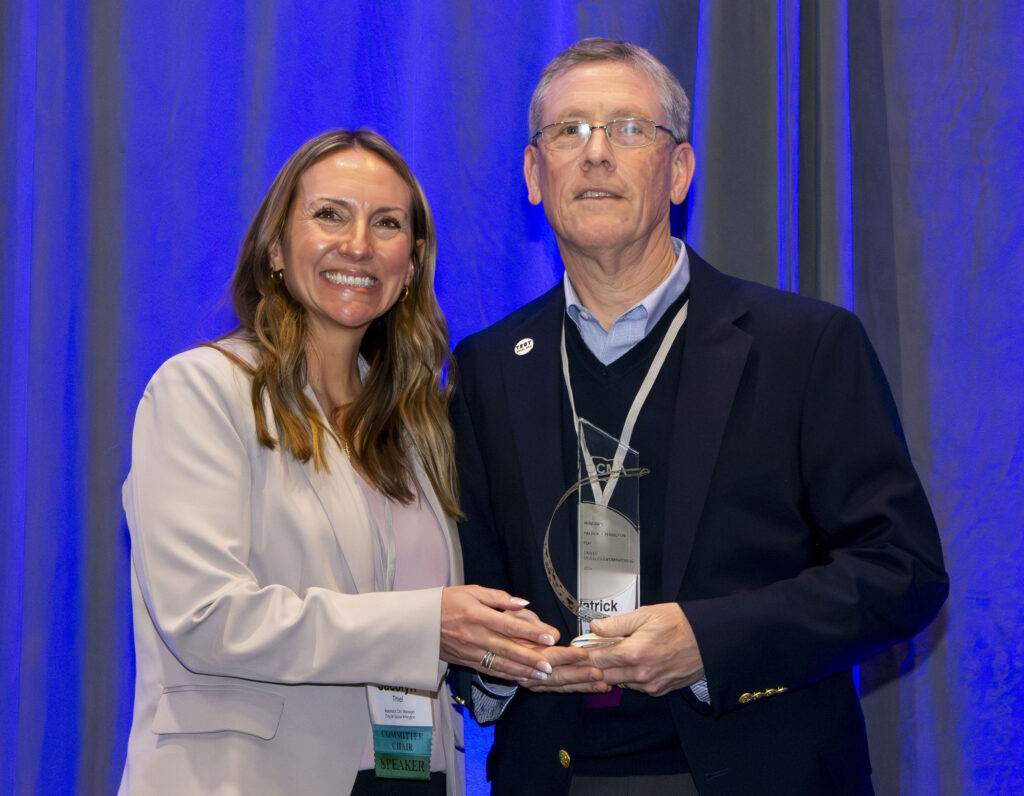
Patrick Titterington, City of Troy
Patrick Titterington’s commitment to public administration spans over three decades, with 38 years of experience. Mr. Titterington’s leadership roles extend beyond his current position, as he has served as the president of OCMA, Dayton Area Manager’s Association and the Ohio Municipal League. Shortly after being hired as a Director a the City of Troy, he began a winter and summer student internship program in the City Director’s Office. He encouraged other departments to seek student interns proactively.
Throughout his career, he has mentored nearly 100 Fellows, interns, and co-op students, including 68 in Troy. Also, Mr. Titterington serves on Miami University’s Ohio Public Leaders (OPL) Fellowship advisory board. He has also spoken at classes and forums at various schools, such as Ohio State University’s John Glenn College of Public Affairs, Miami University, and Wright State University.

Distinguished Early Career Award
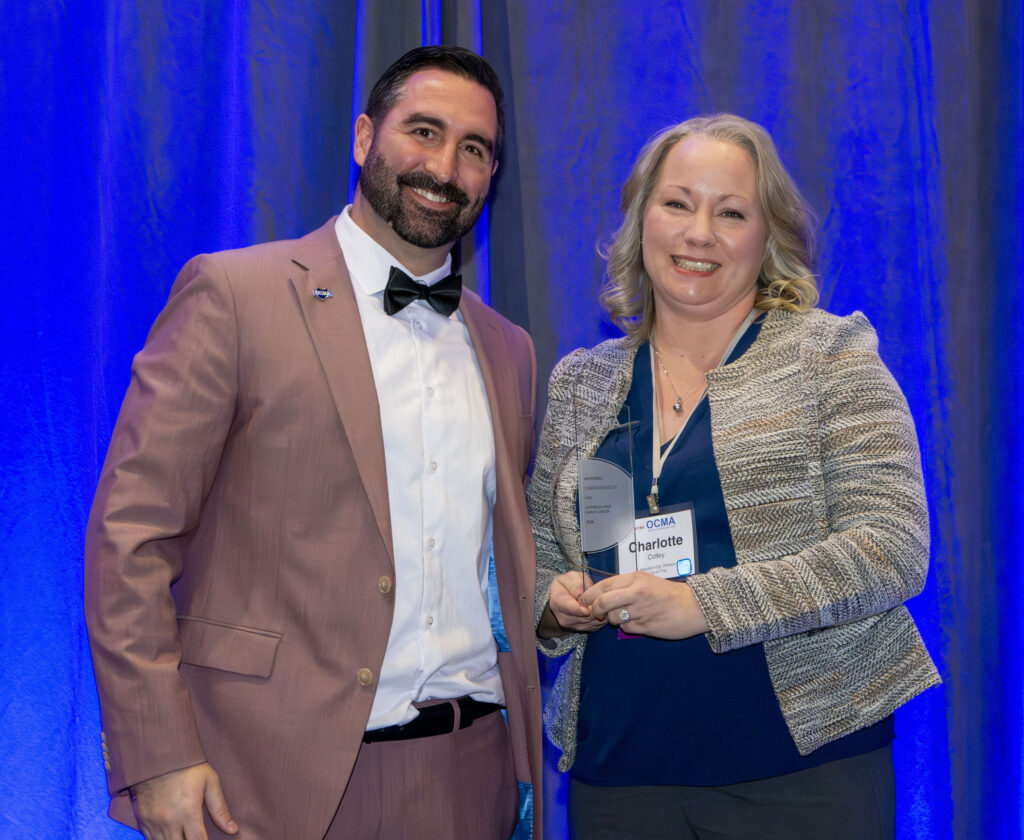
Charlotte Colley, City of Troy
Charlotte Colley, Assistant Director of Public Service & Safety for the City of Troy, exemplifies the qualities of innovation, leadership, and a deep commitment to Public Service. Mrs. Colley serves as second in command for all city operations under the Director of Public Service & Safety with responsibility for Human Resources, Information Technology, Cemetery operations, and Billing & Collections/Income Tax. Charlotte has served as a Chief Administrative Officer or Assistant Chief Administrative Officer for
over 10+ years.
She is an ICMA-Credentialed Manager, past president of OCMA Executive Board, and former Co-Chair of the 2022 ICMA Annual Conference Planning Committee for the conference hosted in Columbus. She has consistently championed the development of emerging professionals, supporting ICMA student engagement and expanding opportunities for young practitioners to enter the field.

Innovation in Local Government
City of Dublin, Drones as First Responders
The Drones as First Responder (DFR) program fundamentally transforms traditional public safety operations by leveraging cutting-edge technology to improve service delivery, response efficiency, and safety for both residents and first responders. The program deploys four autonomous drones capable of reaching incidents in as little as 90 seconds while traveling at speeds up to 45 miles per hour. These drones provide lifesaving tools that provide immediate, actionable intelligence.
When a high-priority 911 call is received, a drone can be launched within seconds from a nearby rooftop and arrives on scene ahead of the responding officers. In practice, the results speak for themselves. Since implementation, the DFR program has completed 244 missions, totaling 47 hours and 50 minutes of flight time and covering more than 535 miles. Seventeen pilots have been fully trained, with the program completing as many as 11 missions in a single day and maintaining an average response time of just 108 seconds.

Citizen Participation
Colerain Township – Guardian Games
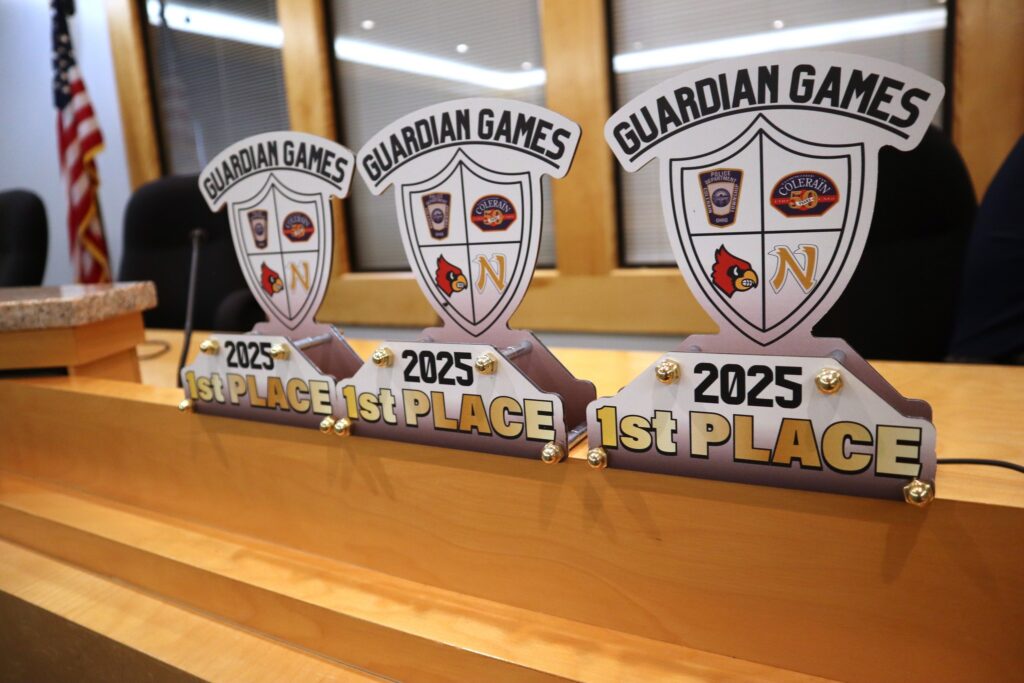
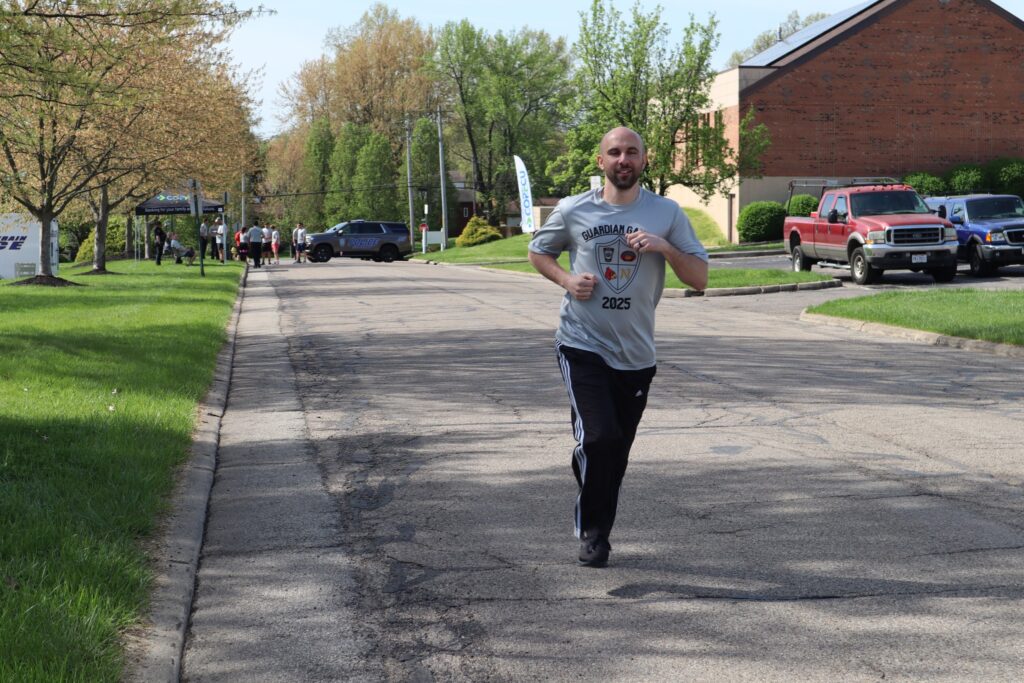
The Colerain Guardian Games is a community engagement event hosted by the Colerain Township Police Department and the Colerain Township Fire & EMS Department aimed at giving local high school students firsthand experience of what it takes to serve as first responders. High school seniors from local schools participate in physically demanding obstacle courses, including scaling walls, pushing a car, dragging a dummy, climbing a five-story fire training tower, and hauling a fully charged hose line that mirror the real fitness and strength tests required by first responders.
The event serves as both a recruiting tool and a hands-on educational experience, designed to build awareness among youth of the career and civic service opportunities with their township. Moreover, the Guardian Games creates informal channels for dialogue between young residents, their families and local government. Breaking down barriers, building trust and fostering community cohesion.


Intergovernmental Cooperation
City Cincinnati, Tenant Access to Counsel in Eviction Proceedings
In Cincinnati, the collaboration between the Hamilton County Clerk of Courts, the City of Cincinnati’s City Manager’s Office, City Councilmember Meeka Owens and the United Way of Greater Cincinnati has resulted in a fully integrated eviction prevention ecosystem that shares data, resources, and best practices. In late 2023, in response to a significant increase in eviction filings, Cincinnati City Council unanimously passed the Access to Counsel Ordinance to help level the playing field in eviction court. This new chapter added to the City’s Municipal Code “Tenant Access to Counsel in Eviction Proceedings” codifies access to legal counsel to qualifying limited income tenants who are facing eviction.
From September 2024 through September 2025, same day representation attorneys have filed 890 appearances serving more than 450 households. The outcomes are staggering: 93.7% of total appearances result in a positive outcome for tenants. 88.8% of 366 cases tried to completion have been dismissed. Because of the success of the work, the City, County, and private philanthropy have invested more money to support expansion of same day representation and over a million dollars in rent assistance for both City and County tenants facing eviction.

2026 OCMA Annual Conference Recap
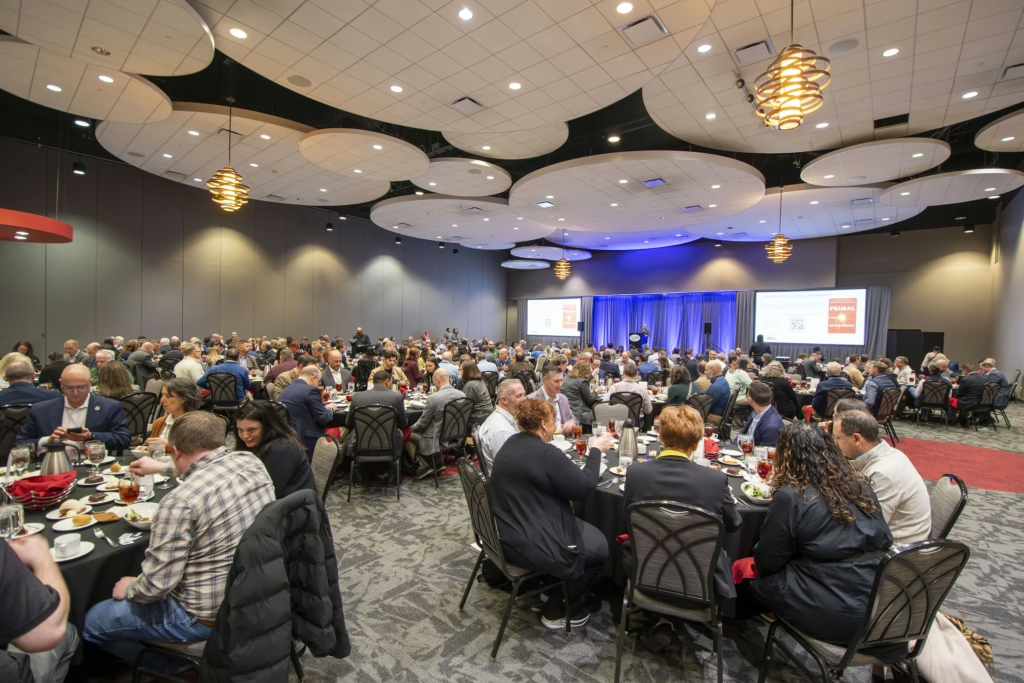
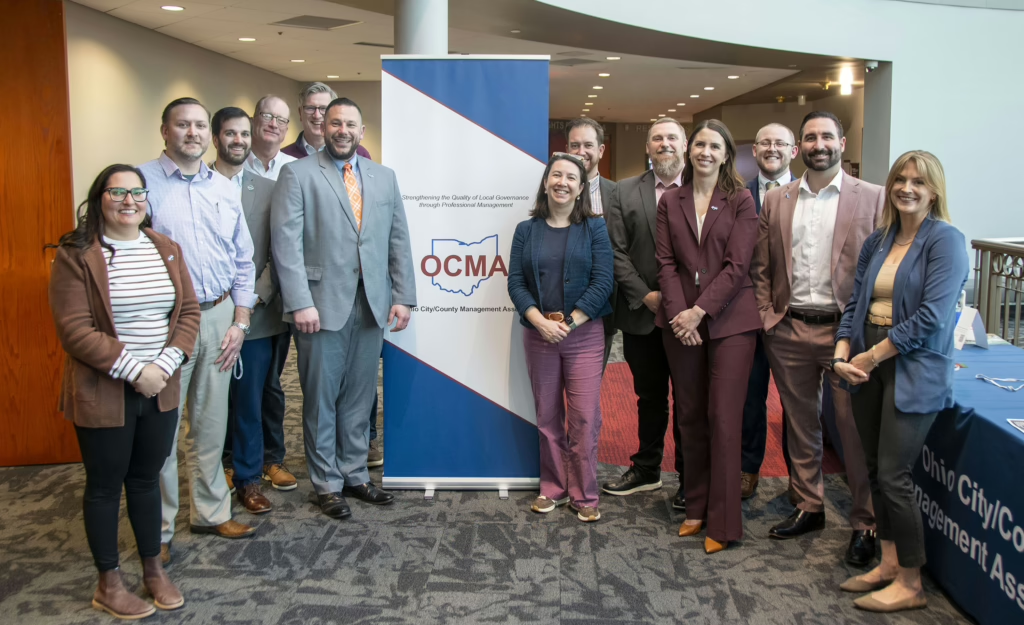
The 2026 OCMA Annual Conference brought local government leaders from across Ohio together for three days of learning, collaboration, and inspiration at the Sharonville Convention Center from February 25–27, 2026 . This year’s event marked an exciting expansion into a new region of the state, reflecting OCMA’s ongoing commitment to strengthening professional management and supporting communities statewide.
A Focus on “Future‑Ready Leadership”
The conference theme, Future‑Ready Leadership for Stronger Communities, set the tone for a program designed to help public administrators navigate emerging challenges and opportunities. Attendees participated in a mix of:
- Expert‑led sessions on leadership, innovation, and community resilience
- Interactive mobile workshops focusing on redevelopment
- Networking events that fostered peer learning and statewide collaboration
- Panels exploring the evolving landscape of local governance
These sessions equipped leaders with practical tools to strengthen their organizations and better serve their communities.
Keynote Highlight: Building Stronger Towns
A major highlight of the conference was a keynote presentation by Chuck Marohn, founder of Strong Towns. Marohn challenged attendees to rethink how cities plan and invest, emphasizing the power of small, incremental improvements over large, top‑down initiatives. He shared actionable strategies for building community wealth, improving financial resilience, and strengthening public trust through neighborhood‑scale action .
Celebrating Excellence in Local Government
OCMA continued its tradition of honoring outstanding public service. Among this year’s recognitions was the Career Achievement Award, presented to Keith Johnson, former City Manager of Miamisburg. Johnson was celebrated for more than three decades of dedicated service, including 17 years as city manager, during which he exemplified excellence in local government leadership.
A New Chapter in a New Region
Hosting the conference in Sharonville marked a meaningful step in OCMA’s efforts to broaden its reach and engage members across Ohio. The Sharonville Convention Center provided a dynamic setting for connection and learning, with full‑day programming on Wednesday and Thursday and a half‑day closing session on Friday.
A New Chapter in a New Region
The OCMA Annual Conference marked a major milestone this year, with record‑breaking attendance that reflected the growing strength, relevance, and momentum of the association. Local government professionals from across Ohio—and beyond—came together in unprecedented numbers to learn, connect, and share ideas, making this year’s conference one of the most well‑attended in OCMA’s history. The strong turnout underscored members’ commitment to professional development and the value of convening to address shared challenges and opportunities facing local governments today.
Looking Ahead
As OCMA continues to champion professional management and support Ohio’s local government leaders, the 2026 conference stands out as a milestone—bringing fresh perspectives, new partnerships, and renewed energy to the work of building stronger communities.


Josh Rauch Selected as Hilliard City Manager

Hilliard City Council met at 5 p.m. Thursday, Feb. 12 to consider the hiring of Joshua Rauch as Hilliard’s next City Manager.
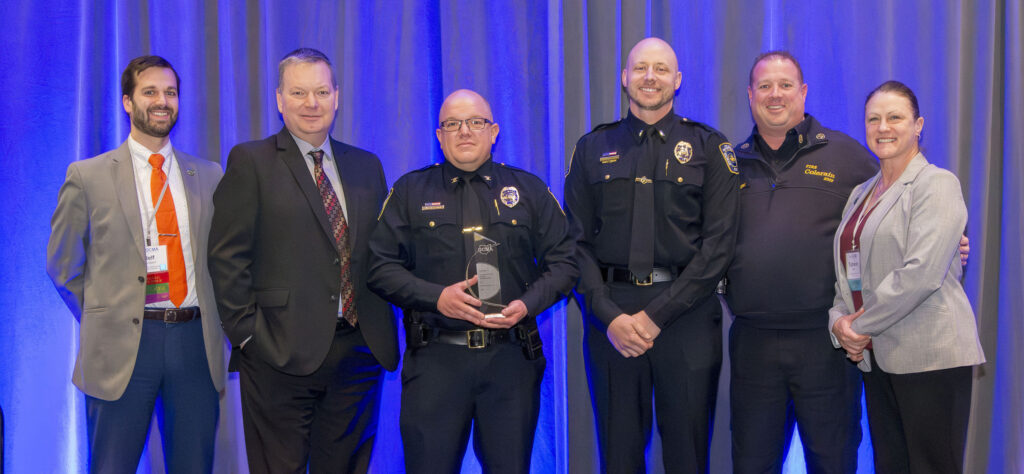
Rauch currently serves as the City Manager for the City of Riverside, Ohio. He is expected to begin serving as City Manager on April 20.
“I am honored and excited to join the Hilliard community and to work alongside elected officials, staff, and residents to achieve meaningful results,” Rauch said. “Hilliard is a remarkable city, and I’m grateful for the opportunity to contribute to a shared vision that brings the community together and guides its future success.”
Council President Emily Cole said Rauch rose to the top of a deep pool of outstanding applicants for the position.
“We were impressed by the caliber of candidates throughout this process,” said Cole. “Ultimately, Mr. Rauch stood out as the best fit for our community and for Council’s vision, bringing the experience, leadership, and people-centered approach we value.”
Rauch has spent the last 15 years of his career managing, building, and improving local governments. He has worked as City Manager for the City of Riverside since 2021.
He began his career with internships for the City of Dayton and City of Mission, Kansas, before becoming the Neighborhood Services Coordinator for the City of Mission. From there, he served as the Deputy Economic Development Administrator for the City of Springfield, Ohio, and then spent several years in government management consulting.
He earned his master’s degree in public administration from the University of Kansas and his bachelor’s degree in political science from the University of Dayton.
Rauch is involved in the International City/County Management Association, Greater Dayton Mayors and Managers Association, Ohio City/County Management Association, and other organizations.
Rauch said he believes effective local government is rooted in trust, communication, and teamwork.
“When we work in good faith and focus on shared goals, we can turn challenges into opportunities and build something truly lasting,” he said.
This will be the City’s second city manager. Former City Manager Michelle Crandall, who served from 2020 to 2025, resigned to become the Chief Member Services Officer for the International City/County Management Association (ICMA).
Crandall was Hilliard’s first city manager, following a voter-approved charter amendment in November 2018 that changed the City’s form of government from Mayor-Council to Council-Manager.
The City Manager serves as Hilliard’s chief executive officer, appointed by and reporting to the seven-member City Council. The role oversees all administrative functions across City departments, including Community Development, Recreation & Parks, Finance, Police, Human Resources, IT/CityLab, and Public Service.
Council worked to ensure that community and staff feedback were incorporated into the search process. In addition to surveys and focus groups that identified desirable qualities for the City Manager, Council hosted a meet-the-candidates open house event during the interviews that included feedback for Council to consider in its deliberations.
The finalist candidates were identified with the assistance of Raftelis, a nationally recognized search firm specializing in public sector executive recruitment.
City Council, which serves as the appointing authority, has been actively engaged throughout the process. In advance of last week’s in person meetings, City Council conducted virtual interviews with candidates in January and selected the final three candidates for in-person interviews.
Cole said she believes the community participation was key in finding the ideal candidate.
“We firmly believe that community participation played a vital role in identifying the ideal candidate,” she said. “The thoughtful input we received helped ensure this decision reflects the values and priorities of our residents.”
Performance Services
Performance Services is a full-service design and construction provider specializing in major renovations, new construction, infrastructure renewal, water and wastewater solutions, and energy savings projects for local governments. With a dedicated team of in-house architects, engineers, and construction professionals, our unique approach eliminates gaps, accelerates timelines, and guarantees performance—all under one contract.
Jerry Schmits
Business Development Manager
[email protected]
(614) 210-3465
545 Metro Place South, Suite 100 Dublin Ohio 43017
Nominate your community for ICMA’s Local Government Excellence Awards
ICMA’s Local Government Excellence Awards celebrate the value of professional management and honor creative contributions to professional local government leadership. These awards highlight public awareness of the value of professional management and its impact on the quality of life in our communities.
Professional Awards are presented to individuals for:
- Career excellence.
- Development of new talent.
- Excellence in leadership as an assistant (regardless of title).
- Early career leadership.
- Academic contributions to the profession.
- Advocacy for the profession.
- NEW! Good Governance.
Outstanding Local Government Programs are recognized in these areas:
The Cost Squeeze
How Energy Efficiency Can Help Ohio Municipalities Weather Utility and Tax Changes
Across Ohio, local governments are feeling the pinch from two directions: rising utility costs and proposed changes to property tax funding. Together, these pressures are making it harder for cities, counties, and school districts to balance budgets without cutting services. The good news is that smart energy efficiency investments can help offset these challenges, often
without increasing taxes or fees.
Rising Utility Costs
Electric and natural gas rates have climbed sharply over the past two years. Many public facilities are seeing double-digit increases in utility bills compared to pre-pandemic levels. Generation and transmission charges — not just energy usage — are major drivers. Capacity costs in the PJM power market and infrastructure upgrades by utilities have added even more pressure. These higher costs directly hit general fund budgets. A 5%–10% increase in energy expenses across dozens of buildings can easily mean hundreds of thousands of dollars in unplanned costs for a mid-sized city or county.
Property Tax Uncertainty
At the same time, state policymakers are discussing ways to reduce or replace property taxes, especially for schools and local governments. While the goal is tax relief, the transition could create short-term instability in revenue streams that fund public services, maintenance, and capital improvements. With limited flexibility to raise other taxes or fees, local leaders may face
even tighter operating budgets just as utility costs peak.
The Case for Energy Efficiency
This is where energy efficiency becomes a budget protection strategy, not just a sustainability measure. Projects such as LED lighting upgrades, HVAC system modernization, and advanced building controls can cut utility bills by 25–40%. With today’s technology, these systems are non- proprietary, easier to maintain, and built around local serviceability — no long-term vendor lock-ins or expensive software licenses. Many municipalities across Ohio have already taken this path. Upgrading to high-efficiency lighting and replacing outdated control systems in facilities of every type has produced immediate savings that offset rising utility rates. Some have achieved project paybacks of less than five years, with energy savings continuing to free up funds year after year.
Financial Tools and Partnerships
Energy projects can often be budget-neutral through energy performance contracts or financing tied to guaranteed savings. Partnering with an experienced energy services provider can help local governments navigate these opportunities, calculate realistic savings, and structure projects that pay for themselves.
The Bottom Line
While utility rates and tax structures may be outside local control, energy use is not. By cutting consumption, cities and counties can reduce exposure to rising costs and revenue uncertainty. Energy efficiency turns a problem — rising expenses — into a solution: long-term budget stability and better stewardship of public resources.
Submitted by:
Doug Trimbach
Vice President-Lighting
Energy Optimizers, USA
[email protected]
937-877-1919